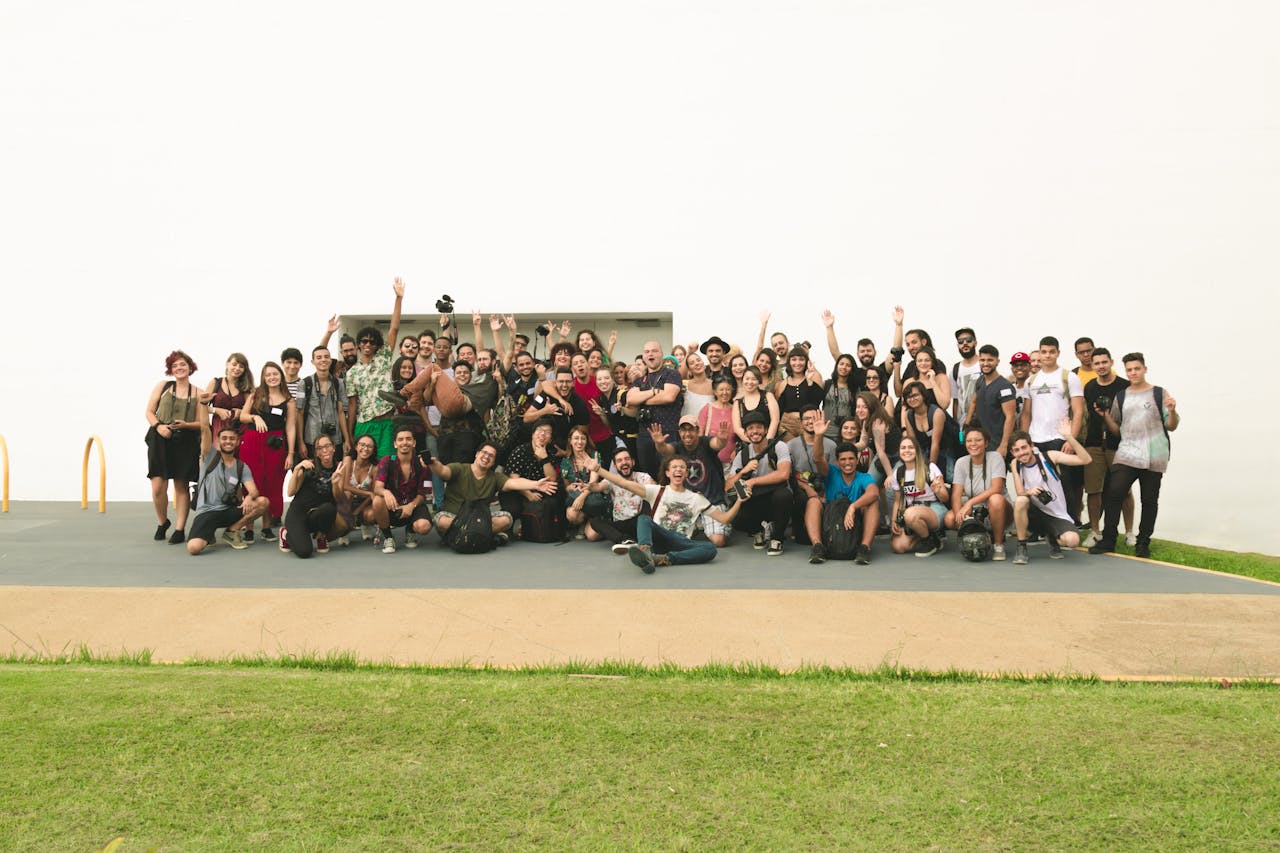
Over the past decade, Generation Z has emerged as an influential force in both social and political conversations. Surveys and public polling indicate that many young people express frustration with existing institutions, a desire for structural change, and a willingness to challenge long-standing norms. As these sentiments grow more noticeable, the question becomes not whether Gen Z is shaping the world around them, but how.
Their impact is evident in several areas: heightened activism, the rise of young Internet influencers, and a noticeable shift toward political independence rather than traditional party loyalty. Together, these developments illustrate why Gen Z is positioning itself as a significant political and social force.
One way young adults are pushing for change is through activism. According to a recent Tunnl survey, Americans report decreased engagement with family, friends, and coworkers on political topics. However, debates and demonstrations with those sharing similar political views have grown, especially on social media sites. This is largely driven by online platforms that have shifted civic engagement into the digital space.
Beyond online engagement, members of Generation Z have also participated in large-scale protests and political movements worldwide. In countries such as Nepal, Indonesia, Madagascar, Morocco, Peru, and Iran, youth-led activism has played a significant role in driving social or governmental change.

Map of Gen Z Protests/Revolutions made by Kairos Kobayashi using MapChart
Online platforms have also elevated a new group of influential voices within Generation Z. Content creators and social media influencers engage with their audiences by discussing political, cultural, and social issues. Their influence has and continues to shape how younger users consume and interpret information.
Some of these voices lean toward progressive politics. Harry Sisson is known for content supportive of Democratic policies, while Amelie Zilber blends political commentary with lifestyle and fashion-focused posts. Aaron Parnas, a former Republican, now curates and shares political news through content that frequently supports left-leaning politics or narratives.


Conservative-leaning creators have also built substantial followings. Brett Cooper frequently comments on current events from a right-leaning viewpoint, while Amala Ekpunobi, who has spoken publicly about her shift from progressive activism to conservatism, focuses on cultural and political critiques. Daniel Dalton similarly shares political stories and analysis that he argues receive limited coverage in mainstream media.


As polarization continues to grow between both political sides, many Americans, including Gen Zers, have begun identifying as being neither Democrat nor Republican. Gallup reported that 45% of adults identified as political independents.
The core reasons for this are twofold: political disillusion and bipartisan support. According to a report by Protect Democracy and Tufts Tisch College, 78% of Gen Z want the leaders of both sides to cooperate, and 65% wish to find common ground between opposing views. These data points suggest that younger Americans favor cooperation across different factions.
As Generation Z continues to engage through activism, online platforms, and evolving political identities, its long-term influence remains uncertain. What is clear, however, is that the generation is playing an increasingly visible role in shaping contemporary political and cultural discourse.
Leave a Reply